
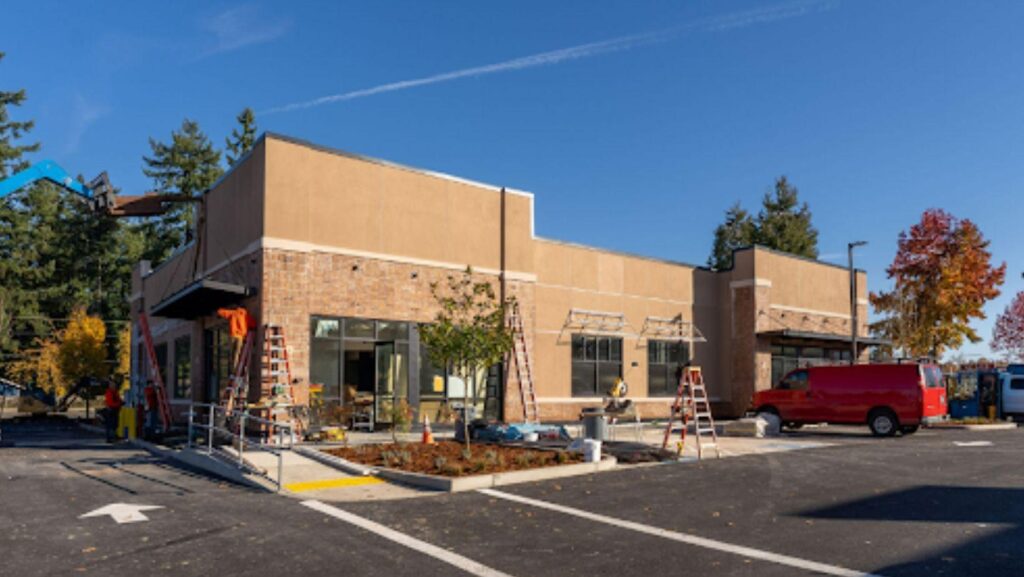
Washington State is experiencing one of the most significant periods of infrastructure investment in recent years. Across the state, transportation improvements, public works projects, utility upgrades, transit expansions, and community development initiatives are reshaping how people live, work, and move through their communities.
From major highway improvements and bridge modernization projects to transit expansions and large-scale public infrastructure investments, these developments are helping support population growth, strengthen local economies, and improve long-term connectivity. As infrastructure projects become larger and more complex, project leaders face an increasingly important challenge: how to effectively communicate progress to stakeholders, investors, government agencies, and the public.
As a result, many organizations are turning to infrastructure project documentation services to provide clear, visual updates that help communities understand the impact and progress of these important developments.
Washington’s Infrastructure Growth Continues to Accelerate
Infrastructure development is no longer limited to major metropolitan areas. Communities throughout Washington are investing in projects designed to improve transportation networks, public safety, utilities, environmental sustainability, and economic growth.
Whether it is a road expansion, transit improvement, public facility upgrade, or large-scale development project, these initiatives often involve multiple stakeholders and lengthy construction timelines. Many projects require years of planning, execution, and coordination before reaching completion.
With such large investments involved, communication becomes critical.
Government agencies must demonstrate accountability. Contractors need to provide progress updates. Community leaders want transparency. Residents want to understand how projects affect their neighborhoods.
Traditional reporting methods remain valuable, but visual communication is becoming increasingly important in today’s digital environment.
Why Visual Documentation Is Becoming Essential
For decades, infrastructure projects were documented through written reports, engineering plans, presentations, and periodic photographs. While these tools still serve important purposes, they often fail to communicate the full scope of a project to a broader audience.
Video documentation offers a more engaging and accessible way to share information.
Visual content helps people quickly understand project milestones, construction progress, site conditions, and overall development activity. Instead of reviewing lengthy reports, stakeholders can see project updates firsthand through aerial footage, progress videos, and visual summaries.
This approach makes complex infrastructure projects easier to understand for both technical and non-technical audiences.
As infrastructure investments continue to expand across Washington, organizations are increasingly recognizing the value of visual storytelling as part of their communication strategy.
The Rise of Drone Technology in Infrastructure Projects
One of the most significant changes in project documentation has been the widespread adoption of drone technology.
Drone photography and videography provide perspectives that traditional ground-level photography cannot capture. Large-scale infrastructure projects often cover extensive geographic areas, making aerial documentation particularly valuable.
Drone footage allows project teams to document:
- Construction progress
- Site conditions
- Transportation improvements
- Utility installations
- Community impacts
- Project milestones
- Environmental changes
- Overall project scale
Aerial documentation provides a comprehensive view of project activity while creating valuable records that can be used throughout the project lifecycle.
For transportation projects, bridge construction, public works initiatives, and civil engineering developments, drone technology has become one of the most effective tools available for monitoring and communicating progress.
Public Expectations Are Changing
Modern audiences consume information differently than they did even a decade ago.
People increasingly rely on visual content when seeking information online. Social media platforms, digital news outlets, and mobile devices have transformed how communities receive updates about local developments.
Residents want quick, accessible information.
Business owners want to understand how projects may affect operations.
Investors want visibility into project progress.
Government agencies want efficient ways to communicate with the public.
Video content addresses these needs by making information easier to consume and share.
Short project updates, drone flyovers, construction progress videos, and visual recaps often generate significantly more engagement than traditional text-based communications.
This shift is encouraging organizations to rethink how they communicate infrastructure investments and development projects.
Better Communication for Stakeholders
Infrastructure projects typically involve a diverse group of stakeholders.
These may include:
- Public agencies
- Municipal governments
- Engineering firms
- Infrastructure contractors
- Developers
- Investors
- Community organizations
- Property owners
- Transportation authorities
Each group has unique information requirements.
Video documentation creates a shared visual reference point that helps improve communication across all stakeholders.
Instead of relying solely on written updates, project teams can provide clear visual evidence of progress, helping reduce misunderstandings and improve project transparency.
Visual communication also allows decision-makers who may not regularly visit project sites to remain informed throughout the construction process.
Infrastructure Projects Are Becoming Stories Worth Telling
Every infrastructure project represents more than concrete, steel, and construction equipment.
These projects create new opportunities for communities. They improve transportation systems, strengthen local economies, and support future growth.
Visual documentation helps capture that transformation.
Many organizations are now incorporating professional video production into their project communication strategies to preserve the story behind major developments.
Companies such as Peak3 Visuals specialize in creating visual documentation that helps infrastructure teams communicate project progress while building a lasting visual record of development activities.
Through aerial footage, progress videos, time-lapse content, and project storytelling, organizations can showcase not only the final result but also the journey that made it possible.
For many agencies and contractors, investing in infrastructure project documentation services has become an important part of maintaining transparency and strengthening stakeholder engagement.
Supporting Long-Term Project Value
Video documentation provides benefits that extend beyond construction.
Completed footage can be used for:
- Investor presentations
- Public relations campaigns
- Community outreach
- Future project proposals
- Historical documentation
- Marketing materials
- Case studies
- Industry presentations
This creates long-term value from a single documentation effort.
Organizations gain a permanent visual record that can support future business development and communication initiatives long after construction is complete.
Looking Ahead
Washington’s infrastructure pipeline remains active, with transportation improvements, public works projects, transit expansions, and community development initiatives expected to continue shaping the state for years to come.
As projects become increasingly visible and public expectations for transparency continue to grow, demand for visual communication will likely increase as well.
Organizations that embrace modern documentation strategies will be better positioned to communicate effectively, engage stakeholders, and build public trust throughout the project lifecycle.
Conclusion
Washington’s infrastructure expansion is transforming communities across the state. As investments grow and projects become more complex, effective communication is becoming just as important as the construction work itself.
Video documentation helps bridge the gap between project teams and the communities they serve by making information more accessible, engaging, and transparent. Through aerial imagery, progress updates, and visual storytelling, organizations can improve stakeholder communication while creating lasting records of important infrastructure developments.
As infrastructure continues to shape the future of Washington, visual documentation will remain an essential tool for keeping communities informed and connected.