

Choosing wedding entertainment has become one of the most strategic decisions in planning a modern celebration. It is no longer a matter of simply picking who will play during dinner or animate the dance floor, but of defining the emotional tone of the entire day. Couples today face a genuine crossroads between established solutions and hybrid formats, and the decision directly shapes the memory guests will take home with them.
Hybrid DJ Band Wedding: Understanding the Core Differences Between Formats
Understanding the differences between a traditional DJ, a live band and a hybrid DJ band wedding means recognizing that each format generates a completely different sensory experience. The DJ offers unlimited repertoire variety and precision in reproducing original tracks. The band brings stage presence, live interpretation and an emotional charge that no recorded track can replicate. The hybrid model merges both dimensions into a single coordinated flow. The difference does not lie in intrinsic quality, but in the way each format builds the rhythm of the evening and in the level of engagement it can sustain across the different phases of the reception.
Hybrid DJ Band Wedding vs DJ or Band: Where Traditional Options Fall Short
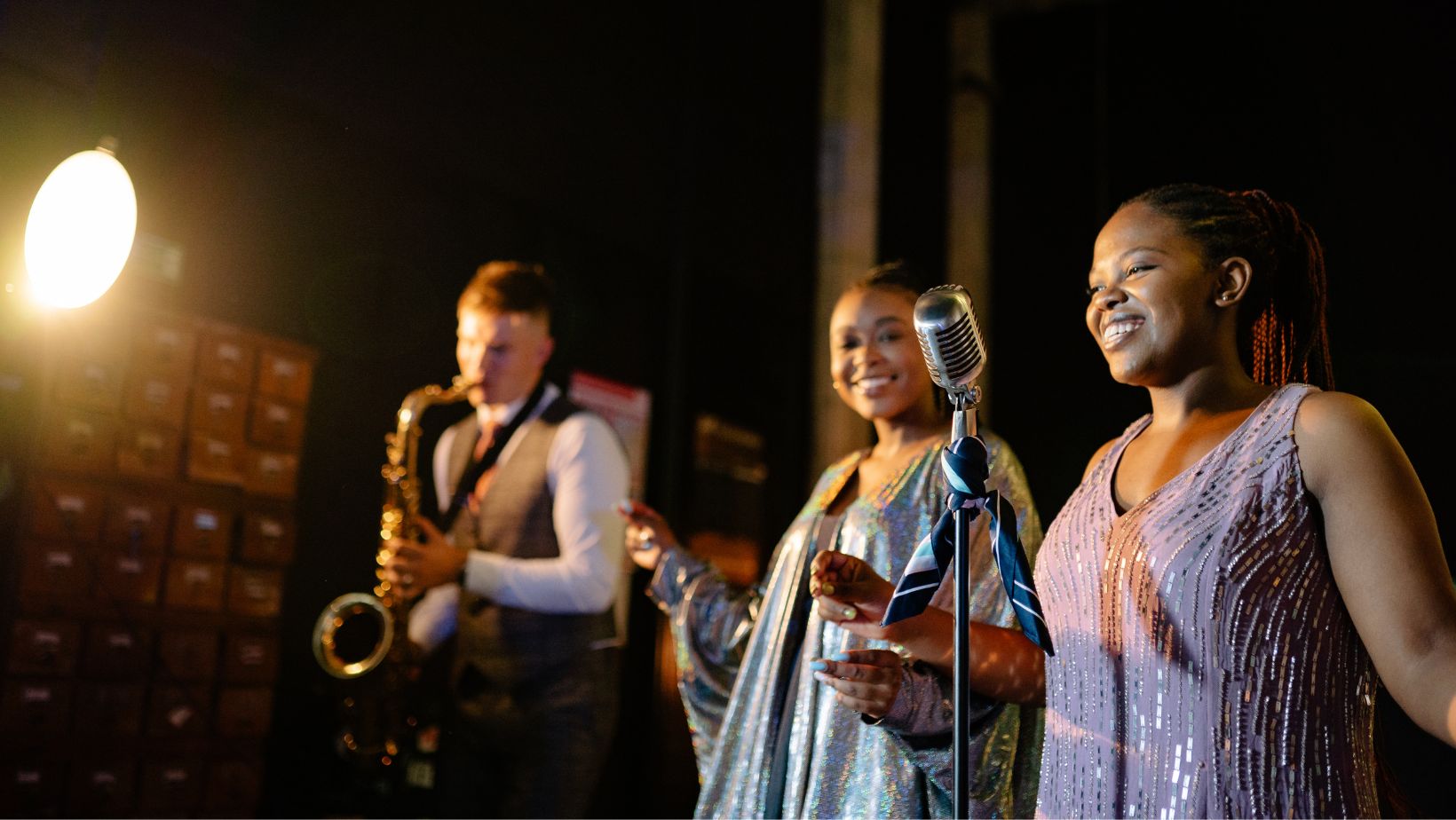
Traditional formats work well in specific contexts, yet they reveal structural limits when it comes to managing musical continuity over many consecutive hours. A live band needs technical breaks, and a DJ alone struggles to create those moments of pure emotion that only a live instrument can generate. Within this scenario, a hybrid DJ and live band setup for modern weddings resolves both limitations, guaranteeing seamless transitions and continuous variety. Specialized teams such as DLE Event Group have developed a model where musicians and DJs coexist on stage, alternating without perceptible interruptions and keeping the energy of the event consistently elevated from the first dance to the final song.
Flexibility and Control: Why Format Matters More Than Music Style
The real difference between formats does not reside in song selection, but in the ability to adapt to the actual audience in the room. Every wedding carries a unique composition of guests in terms of age, culture and expectations. A rigid format forces guests to follow the music, while a flexible system does the opposite: it follows the mood of the room and guides it. The control over the musical flow, the possibility to increase or reduce intensity in real time, to shift from a classic standard to a house track without awkward transitions, influences overall perception far more than any playlist built weeks in advance at a desk.
Managing the Dance Floor: Energy, Timing and Transitions
Managing the dance floor is the true test of any wedding entertainment. First dance, couple entrance, cake cutting, official opening of the dancing: each key moment demands precise timing and a calibrated transition. When a saxophone or a violin plays live over an electronic base curated by the DJ, the result generates what industry professionals call the wow factor, an emotional peak that no single format can produce with the same intensity. The quality of entertainment is measured in the passages, not in individual songs. The fluidity between one phase and the next determines whether guests stay on the dance floor or drift back to their tables.
Adapting to Guests in Real Time: The Hidden Challenge of Wedding Entertainment
Guest behavior is not predictable. A carefully prepared playlist can fail before an audience reacting differently than expected, and a band may find itself playing tracks that do not ignite the room as hoped. The hidden challenge of wedding entertainment lies in reading the room instant by instant and responding with immediate musical choices. A hybrid setup offers a markedly wider margin of maneuver: the DJ can change direction within seconds, while live musicians step in when the emotional impact needs reinforcement. This double lever of control transforms entertainment from programmed execution into continuous direction of the event, keeping the energy calibrated to what is actually happening in the room.
Choosing the Right Setup for a Seamless Wedding Experience
The final decision on the musical format should reflect the identity of the couple, the style of the venue and the profile of the expected guests. There is no universal answer, but there are objective criteria for orientation: the length of the reception, the variety of generations present, the type of venue and the level of personalization desired. Couples who opt for a hybrid approach are looking for an experience that leaves no grey zones between one moment and the next. Musical coherence builds memory, and memory is the true outcome of a successful wedding. Evaluating the format before even considering the repertoire means starting from the right question, and from there building entertainment that genuinely accompanies every phase of the day.