
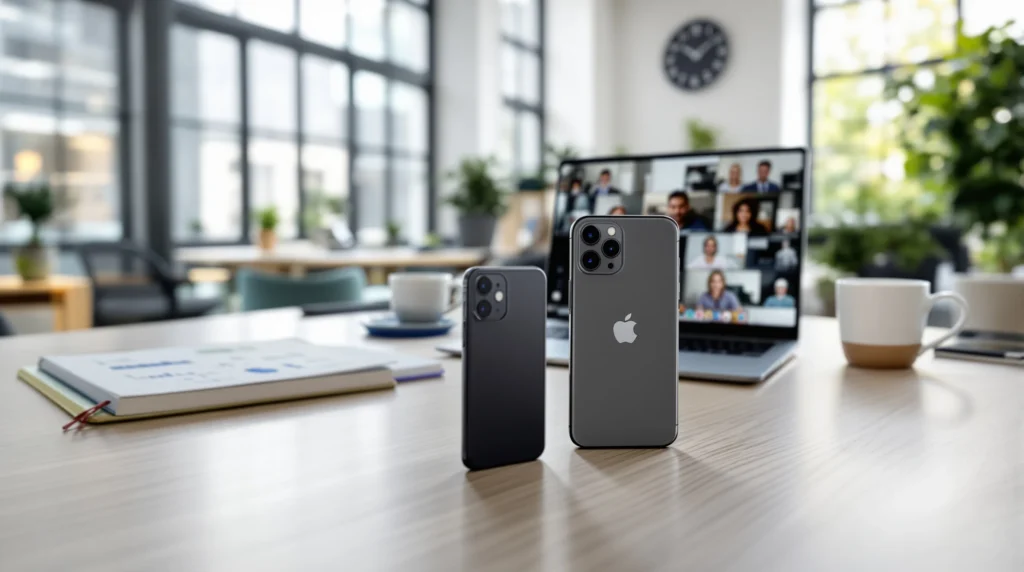
Picture this: It’s 7:45 a.m. You’re balancing a coffee, a half-charged phone, and a to-do list that’s already too long. The phone rings. It’s a new client. You fumble, miss the call, and now you’re wondering if you just lost a deal. If you run a small business, the right phone isn’t just a gadget—it’s your lifeline. Choosing the best phone for small business can mean the difference between chaos and control, missed calls and new customers.
Why Your Phone Choice Matters More Than You Think
If you’ve ever tried to juggle customer calls, supplier texts, and team group chats on a single device, you know the struggle. The wrong phone for small business can slow you down, drop calls, or even make you look unprofessional. Here’s the part nobody tells you: your phone is often your first impression. A crackly line or missed voicemail can cost you trust—and money.
Let’s break it down. A good phone for small business isn’t just about making calls. It’s about reliability, flexibility, and features that fit your work style. Whether you’re a solo freelancer or running a team, the right choice can save you hours and headaches.
What Makes a Great Phone for Small Business?
Not all phones are created equal. Some are built for selfies and games, not for handling business calls or managing contacts. Here’s what to look for when picking a phone for small business:
- Call Quality: Crystal-clear audio, even in noisy environments.
- Battery Life: Enough juice to last through back-to-back meetings and late-night emails.
- Multi-line Support: Ability to handle personal and business calls separately.
- App Compatibility: Runs your must-have business apps without lag.
- Security: Protects sensitive client info with strong encryption and regular updates.
- Durability: Survives drops, spills, and the occasional coffee mishap.
Here’s why these matter: Imagine closing a deal while your phone battery flashes red, or missing a key message because your phone can’t run your CRM app. The right phone for small business keeps you connected and confident.
Types of Phones for Small Business: Pros and Cons
Let’s get specific. You’ve got three main options: traditional desk phones, smartphones, and VoIP systems. Each has its own strengths and quirks.
Traditional Desk Phones
These are the classics—corded or cordless phones that sit on your desk. They’re reliable and simple, but they tie you to one spot. If you’re always on the move, this might not be your best bet.
Smartphones
Most small business owners use smartphones. They’re portable, powerful, and packed with features. You can manage emails, calls, texts, and even video meetings from anywhere. But here’s the catch: not all smartphones are built for business. Some skimp on call quality or security.
VoIP Systems
Voice over Internet Protocol (VoIP) lets you make calls over the internet. You can use a physical phone, your computer, or even an app. VoIP is flexible and often cheaper than traditional lines. But if your internet is spotty, your calls might be too.
Top Features to Look For in a Phone for Small Business
Let’s get practical. Here are the features that make a real difference:
- Dual SIM: Keep work and personal calls separate without carrying two phones.
- Call Recording: Handy for reviewing client conversations or training staff.
- Auto-Attendant: Greets callers and routes them to the right person—even if that’s just you.
- Conference Calling: Connect with your team or clients without extra equipment.
- Visual Voicemail: Read messages at a glance, so you never miss a detail.
If you’ve ever scrambled to find a missed voicemail or fumbled through a group call, you know these features aren’t just nice—they’re necessary.
Best Phones for Small Business in 2025
Ready for specifics? Here are some top picks for phones for small business this year:
- Apple iPhone 15: Reliable, secure, and packed with business apps. Face ID keeps your data safe, and the battery lasts all day.
- Samsung Galaxy S24: Great for multitasking, with a big screen and strong security features. Dual SIM support is a plus.
- Google Pixel 8: Clean interface, fast updates, and excellent call quality. The call screening feature is a lifesaver for screening spam.
- Yealink T54W (VoIP Desk Phone): Perfect for office setups. Crystal-clear calls, easy setup, and Wi-Fi support.
- Ooma Office: A VoIP solution that works with your existing phones or as a standalone app. Affordable and easy to scale as your business grows.
Each of these phones for small business has its own strengths. If you’re always on the go, a smartphone is your best friend. If you work from a fixed location, a VoIP desk phone might be the way to go.
Common Mistakes When Choosing a Phone for Small Business
Let’s be honest. Most people pick a phone for small business based on what’s popular, not what they actually need. Here are some mistakes I’ve made (so you don’t have to):
- Choosing a phone with poor battery life—nothing kills productivity faster than a dead phone at 3 p.m.
- Ignoring security—one data breach can undo years of hard work.
- Overpaying for features you’ll never use—do you really need a 200x zoom camera?
- Forgetting about support—when something breaks, you want help fast.
If you’ve ever felt overwhelmed by choices, you’re not alone. The trick is to focus on what actually helps your business run smoother.
Who Should (and Shouldn’t) Care About This?
If you run a small business, manage a team, or handle client calls, this is for you. If you’re a freelancer, consultant, or shop owner, the right phone for small business can save you time and stress. But if you rarely use your phone for work, or your business is strictly online with no calls, you might not need to invest in a business-focused phone.
Action Steps: How to Pick the Right Phone for Small Business
Here’s how to make a smart choice:
- List your must-have features. Do you need dual SIM? Call recording? VoIP?
- Set a budget. Don’t get distracted by flashy extras.
- Read real reviews from other small business owners.
- Test call quality and battery life before you commit.
- Check for security updates and support options.
Next steps: Make a shortlist, try out a few options, and don’t be afraid to switch if your first pick doesn’t fit. Your business deserves a phone that works as hard as you do.
Final Thoughts: The Right Phone for Small Business Is a Game Plan, Not a Guess
Here’s the truth: Picking the right phone for small business isn’t about chasing the latest trend. It’s about finding a tool that fits your workflow, protects your data, and helps you connect with customers. I’ve made mistakes—bought phones that looked cool but couldn’t keep up. Learn from my missteps. Focus on what matters to your business, and you’ll find a phone that helps you grow, not just get by.
If you’ve ever felt lost in the sea of choices, remember: the right phone for small business is out there. It’s not about perfection—it’s about progress. Make your choice, and let your phone work for you, not the other way around.